
With its graceful archways. wrap-around stairs, and distinctive oriel window, this stunning 1888 Queen Ann brick beauty is a showpiece of craftsmanship and character at the heart of Concordia’s downtown.
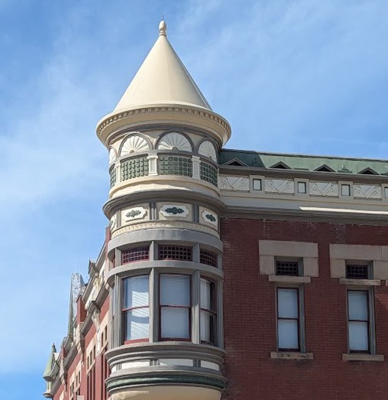
With its graceful archways. wrap-around stairs, and distinctive oriel window, this stunning 1888 Queen Ann brick beauty is a showpiece of craftsmanship and character at the heart of Concordia’s downtown.
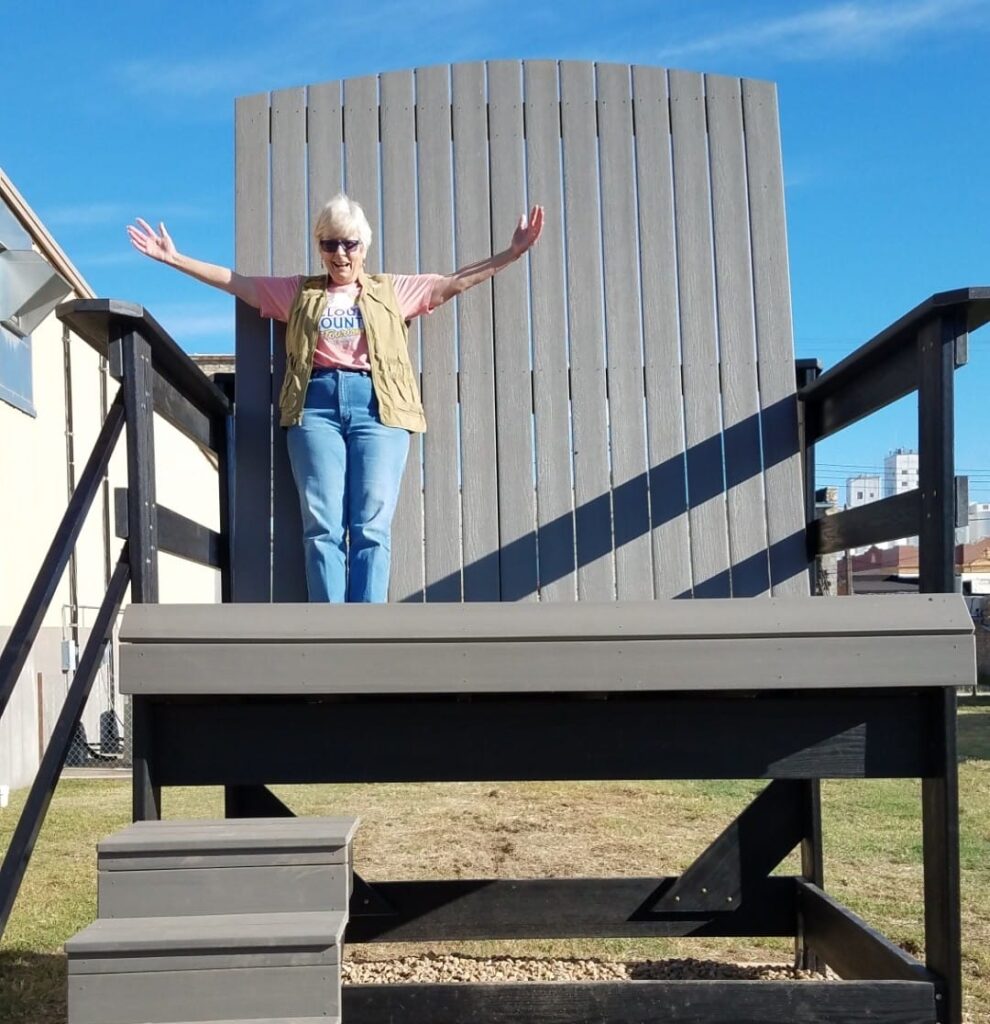
Bring your friends (up to 8!) and take a seat in the "Largest Chair in North Central Kansas." Climb up -- easy-access steps make it simple -- and snap the perfect photo.
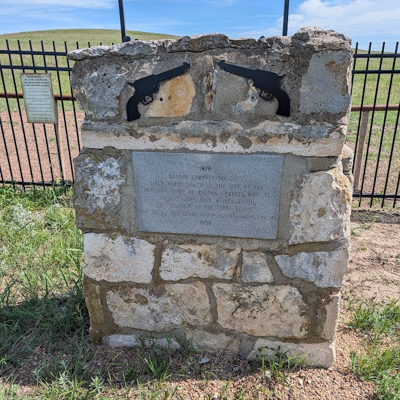
Boston Corbett, the man who allegedly shot John Wilkes Booth, Lincoln's assassin, homesteaded here. Stone steps lead you through a gate to an informative plaque on a stone pillar. To see the slight indention that remains from his dugout, pass through another turnstile.
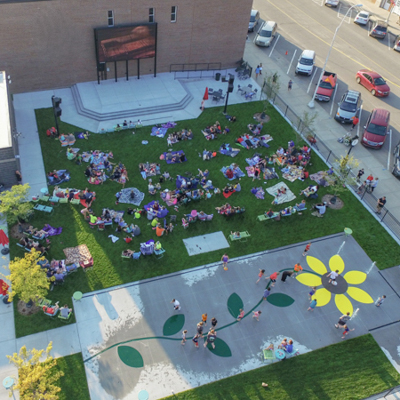
A splash pad, public restrooms, and a place for outdoor entertainment borders the main thoroughfare.
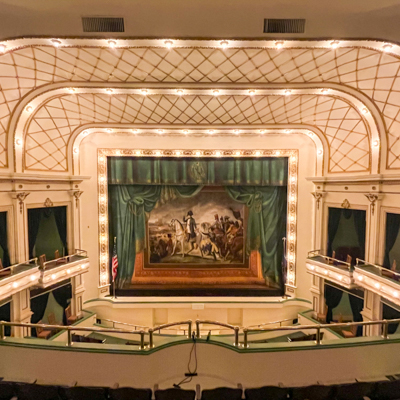
Restored to its 1907 glory, this 650-seat theatre features gold decorative molding and lights around the proscenium arch, brass rails in front of the box seats, and forest green curtains behind them.
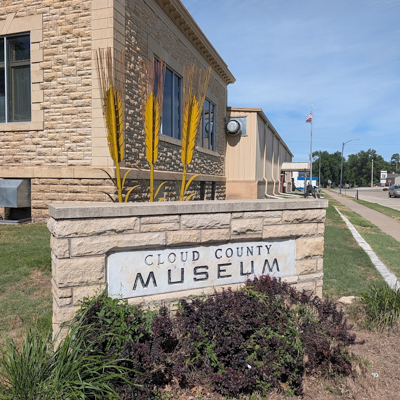
A 1928 Lincoln-Page biplane, a Boston Corbett exhibit, a replica letter from Martha Washington, agricultural displays, and WWII POW Camp memorabilia, are just a few reasons to visit this museum housed in a 1908 Carnegie library.
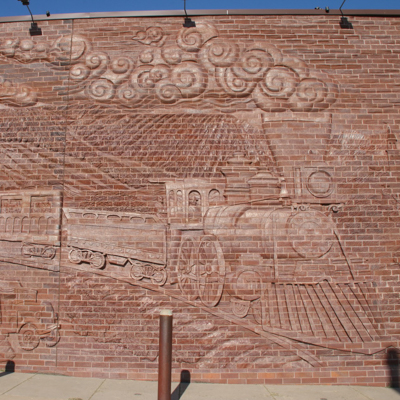
Just look for the Whole Wall Mural and then go inside to find clean restrooms, a gift shop filled with Kansas items and friendly staff to help you know what there is to see and do in the area. There are also exhibits on display from the Cloud County Historical Museum.
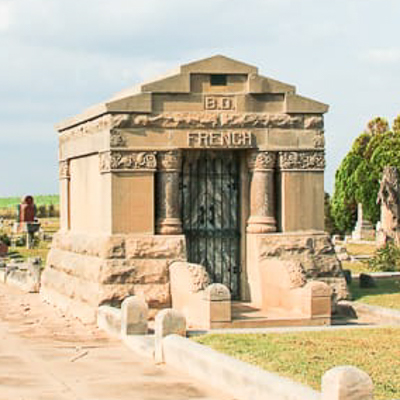
A more-than-fair view, a sundial, sidewalks that date to the early 1900s, a stepping stone into family sections, and many French (surname) gravestones make this an interesting stop. William J. French deeded the tract of land for the cemetery in 1879.
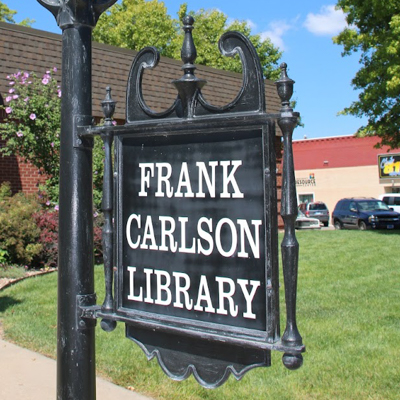
A room in the public library honors Frank Carlson, former Kansas governor, U.S. congressman, and U.S. senator. Political cartoons, mementos, stained glass windows, and information provide a snapshot of Carlson's life during the 1950s and 1960s, and his elephant collection is a reminder of his Republican Party affiliation.
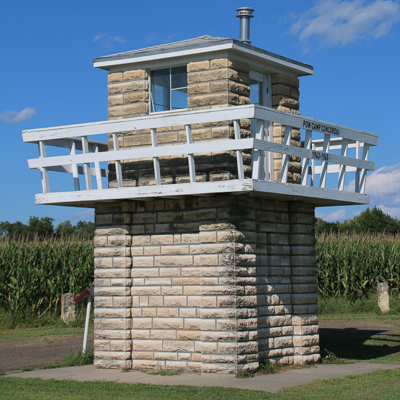
Inside the tin-clad former camp warehouse you'll learn about the 304 buildings that once stood here, including housing for 4,000 German POWs, a hospital, and the administration buildings for 880 American soldiers.
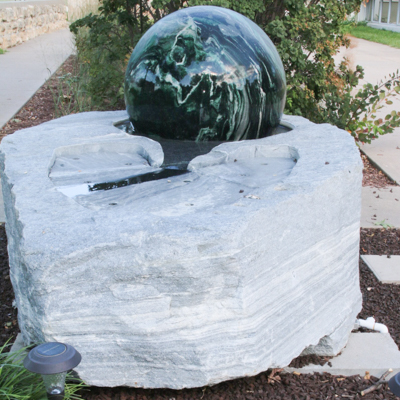
In front of the courthouse, powerful jets of water keep a massive 1,800-pound granite sphere gently floating and spinning atop a fountain pedestal — a striking sight that seems almost impossible until you see it in motion.
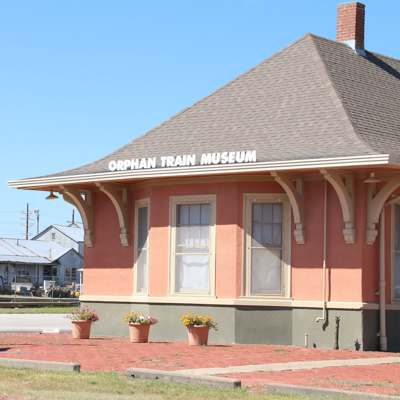
The story of orphan trains that ran from 1854 to 1929 is told through compelling photos, interpretive signage, and outstanding artifacts including a ledger with names of actual riders at this immersive museum.
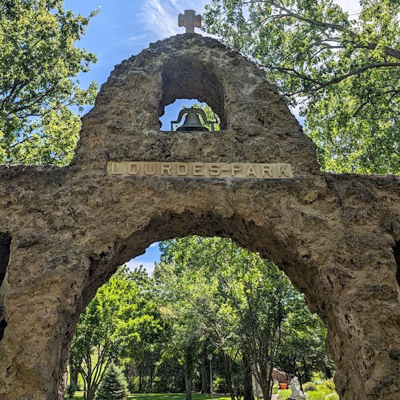
The Sisters of St. Joseph arrived in Concordia in 1884. They built this awe inspiring Gothic style motherhouse to use as a retirement home, where they still reside today.
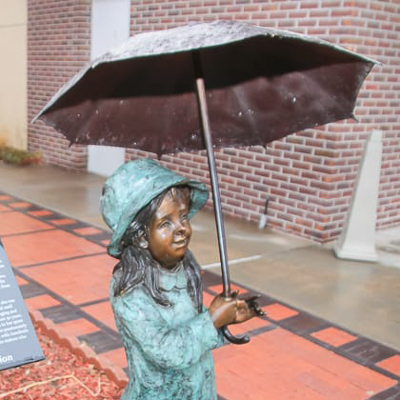
Each statue honors the life of a real Orphan Train Rider including a plaque with their unique story paired with every statue.
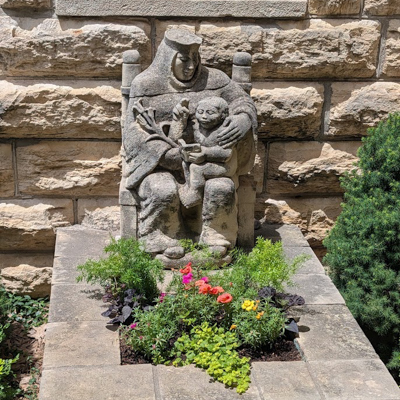
Find this small carved statue by renowned Hays, KS artist Pete Felten tucked into a garden near the rear door of the Zion Lutheran Church building.
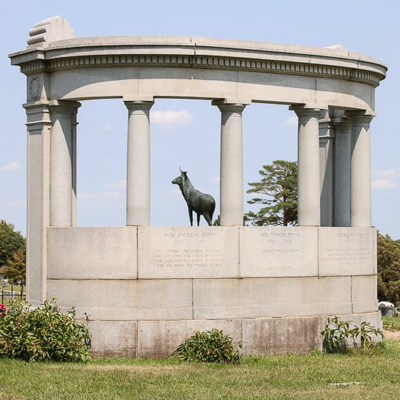
The arched memorial to the Brown family of Brown Grand Theatre fame stands at the south end of the cemetery. Note the unusual epitaphs.
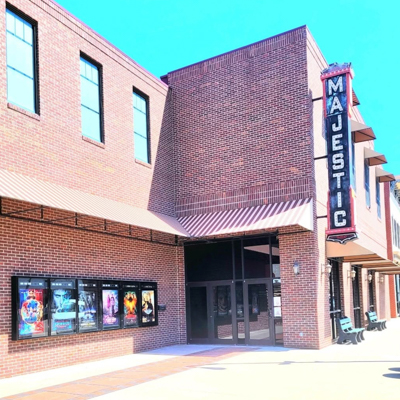
With four screens, this local theater brings first run films into the center of Concordia. Check the website for show times.